.png)
News & Blog
How do I balance transparency vs optimism with investors?
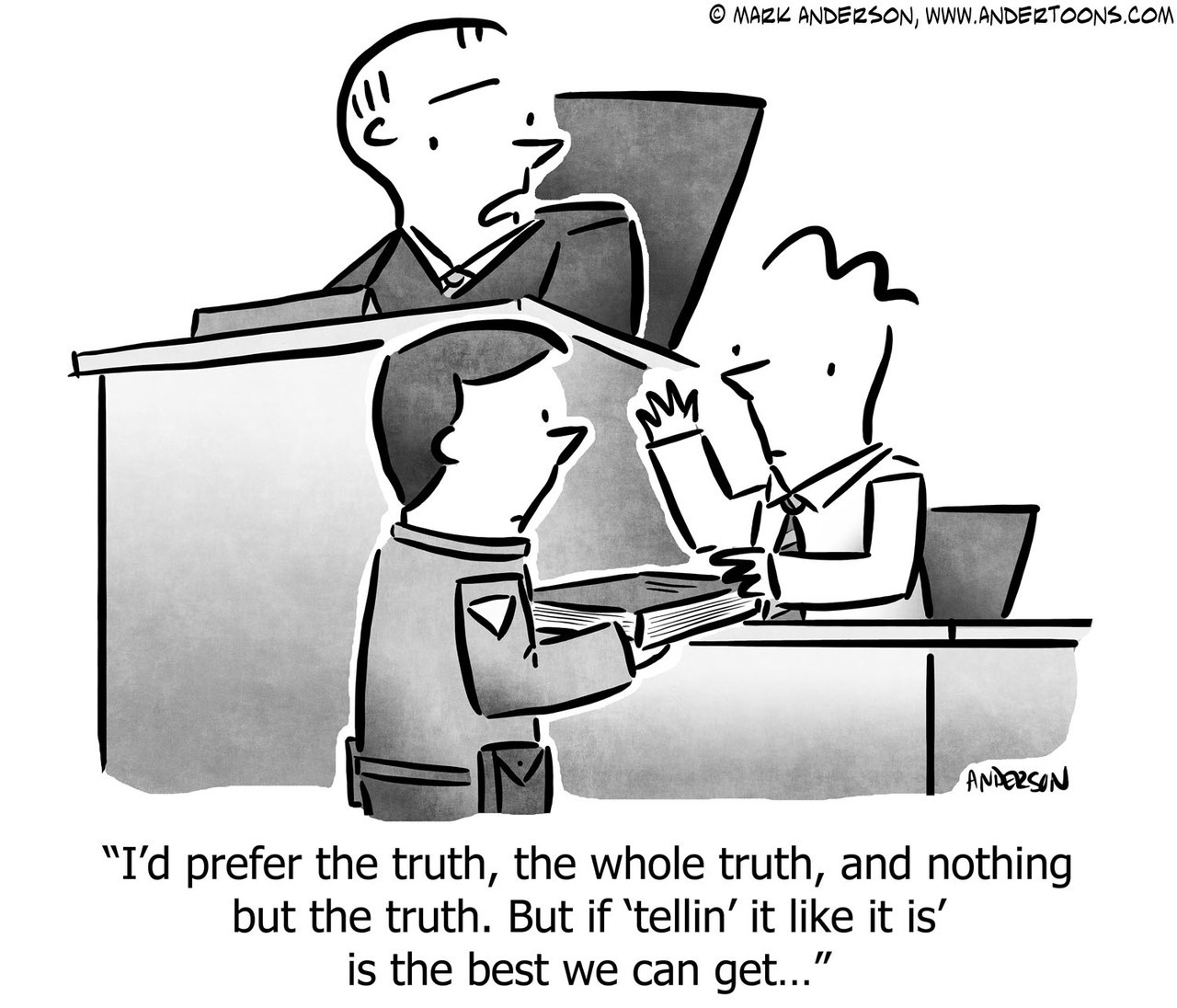
The right balance between transparency and optimism with investors is not a ratio, it's full honesty delivered with calm conviction. Lead with what's moving forward, then address what isn't, and always bring a plan when you bring bad news. Investors don't expect perfection, they expect competence. The founder who says "here's what's broken and here's what we're doing about it" builds more credibility than the one who stays relentlessly positive.
Balancing transparency and optimism with investors is one of the hardest things for founders to get right. You want to project confidence, but not delusion. Honesty, but not panic. Most founders swing too far in one direction or the other, often depending on how things are going that week.
The ones who get it wrong almost always err toward optimism. I did.
How Over-Optimism Erodes Credibility Over Time
At Stitcher, I was always too optimistic with investors. Not in one specific moment - it was a pattern. I emphasized the momentum, the users, the press, the market potential. I softened the messy parts. I wanted them to believe in the vision, and so I kept leading with the best version of what was happening.
Over time, that wore on my investors. I became less credible.
That's the part founders don't fully anticipate. It's not that one overly optimistic update destroys trust. It's the accumulation. When you consistently paint a rosier picture than reality, investors start applying a discount to everything you say. They stop taking your projections seriously. They start reading between the lines of your updates instead of taking them at face value. And once that happens, it's very hard to earn back.
When the cracks showed later, it looked like I either hadn't seen them or hadn't been willing to say so. Both interpretations destroy credibility. Once investors think you don't understand the problem or won't say it out loud, they stop believing your updates altogether.
What Investors Actually Want
Investors don't expect perfection. They already know startups are chaotic. What they want is competence - founders who see the chaos clearly and are steering through it with control.
The best signal of confidence isn't pretending things are fine. It's saying "here's what's working, here's what isn't, and here's what we're doing about it." That line alone does more for credibility than any polished deck or over-optimistic forecast.
The most common mistake I see from Series A and Series B founders is the same one I made. They raise money on a very optimistic scenario - because that's what got the round done - and then they're on the hook for it. The landscape changes. Or they were naive about how long it would take to build a sales team, or hit a milestone, or whatever the specific thing was. And instead of telling their investors, especially the new ones, they hesitate.
So they sit on it. The delta between reality and what they're saying gets bigger. And the bigger the gap, the harder it becomes to close it - because now they're not just delivering bad news, they're also explaining why they waited. Both problems at once.
Investors hate surprises more than bad news. When you tell them early, you control the narrative. When you hide it, you lose control, and you lose it at the worst possible moment.
The Structure That Works
Good investor communication starts with direction and ends with detail. Lead with progress, finish with facts.
Start by reminding them what's moving forward - what's improving, what's working. Then talk about the problems. "We're behind on revenue, but conversion improved 30% after the onboarding changes. We're doubling down there." That's optimism grounded in reality. It's not spin. It's sequencing.
When you bring bad news, bring a plan. "We're burning faster than expected, and here are the three levers we're pulling to fix it." Problem, plan, conviction. That structure keeps people calm and aligned. It signals that you see the issue clearly and are already moving on it - which is exactly the competence investors are looking for.
The formula is simple: tell them what's happening, tell them what you're doing about it, and tell them with the confidence of someone who has been in hard situations before and knows how to navigate them.
What Transparency Is Not
Transparency doesn't mean narrating every fear in real time. Your investors aren't your therapist.
If you share every spike of anxiety, they'll start managing your emotions instead of helping you run the company. There's a version of radical honesty that crosses into oversharing - where the founder is processing their stress out loud in investor conversations and leaving people more worried than informed.
Process your stress with your coach, cofounder, or peers. With investors, the focus should be signal over noise. The question to ask before every investor communication is: does this help them understand where we are and what we're doing? If yes, include it. If it's just anxiety looking for an outlet, keep it out of the update.
The distinction matters because investor trust is built on your ability to be both honest and steady. You can be fully transparent about a problem while being completely calm about it. That combination - here's the bad news, here's the plan, here's why I'm not panicking - is what actually builds the long-term relationship.
The Right Balance Is Not Half-and-Half
Most founders think of this as a dial. Turn it too far toward optimism and you lose credibility. Turn it too far toward transparency and you create panic. So they try to land somewhere in the middle.
That framing is wrong. The goal isn't a ratio. It's full honesty delivered with calm conviction.
Optimism gets people in the door. It's what gets rounds done and keeps investors excited about the vision. But optimism without honesty is just theater. Transparency keeps people there - it's what makes investors feel like they're getting the real picture, which is the only thing that makes them genuinely useful when things get hard.
The founders who do this well aren't the ones who have figured out the perfect ratio of good news to bad news. They're the ones who've stopped treating investor communication as a performance and started treating it as a working relationship. The update isn't a pitch. It's a briefing. And in a briefing, the goal is to give the other person what they actually need to help you.
The Bottom Line
Be honest early, before the gap gets big. Lead with what's moving, then address what isn't. Bring a plan when you bring bad news. Stay calm while doing all of it.
The founders who get this right don't have better outcomes because they managed their investors well. They have better outcomes because the discipline of honest communication - with investors, with their team, with themselves - turns out to be the same discipline that makes them good CEOs.
If you want to talk through how you're communicating with your investors - book a call.


.png)
.png)